
Snow Management
HOA Snow Removal in Rochester, NY: What the Board Should Ask a Plow Contractor
November 2, 2026 · By CPM Property Services Team
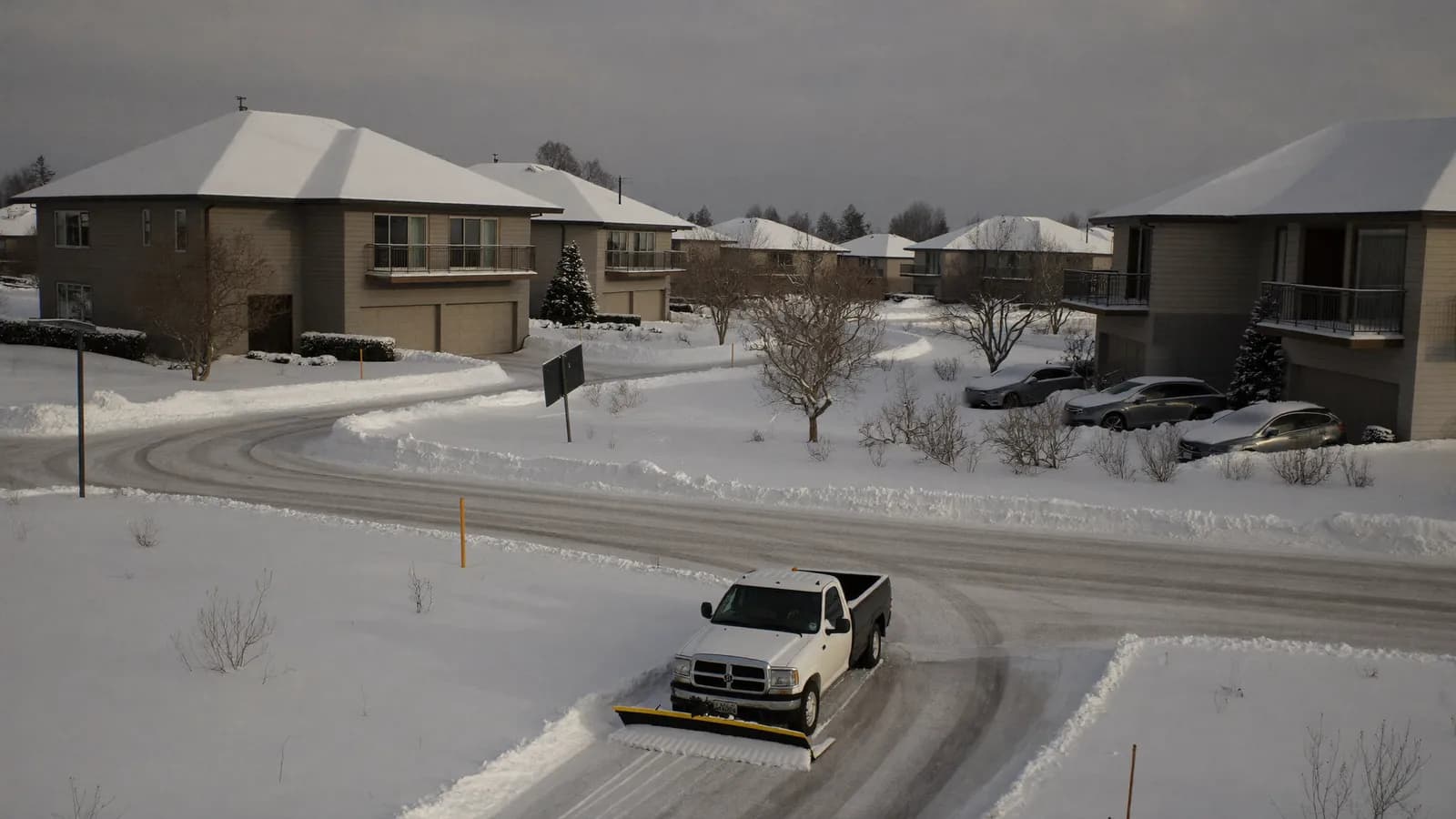
HOA snow removal in Rochester, NY starts with a question only your association can answer: which areas are we responsible for clearing? Before your board hires anyone, check your governing documents and your current contract, then put a written map in front of every bidder. CPM Property Services does commercial snow plowing, and its local pages describe HOA roads, shared drives and townhome and condo communities.
This guide covers the decisions that are specific to an association. For general contract terms such as billing, triggers and documentation, read our guide to commercial snow removal contracts in Rochester.
Quick summary
- Map every area first, and mark each one "plow", "walk" or "not included". Include areas someone else maintains.
- Decide how residents, parked cars and gates fit into a plowing visit.
- Ask where snow will be piled so it does not block sight lines at corners and entrances.
- Agree on one contact path for residents and managers during a storm.
- Ask what the contractor's plan says for a storm of 8 inches or more, and get it in writing.
What does HOA snow removal cover?
It covers the areas the association has agreed to clear, and that varies from community to community. Check your governing documents and your contract, and map what is included. This guide does not interpret those documents or say who has authority over which area.
Scope can differ even between communities of the same size. Some associations clear only roads and shared drives. Others add common walks, mailbox areas, amenity lots or building entrances. Individual driveways may or may not be part of the plan, depending on your documents and contract, so mark them clearly as in or out. CPM's snow plowing page describes its service area as Monroe and Wayne counties, so ask whether your community's location is served when you request an estimate.
Which areas should the board map before bidding?
Start with a site map and sort every area into three groups: areas the contractor will plow, areas that need hand or walk clearing, and areas the association does not maintain.
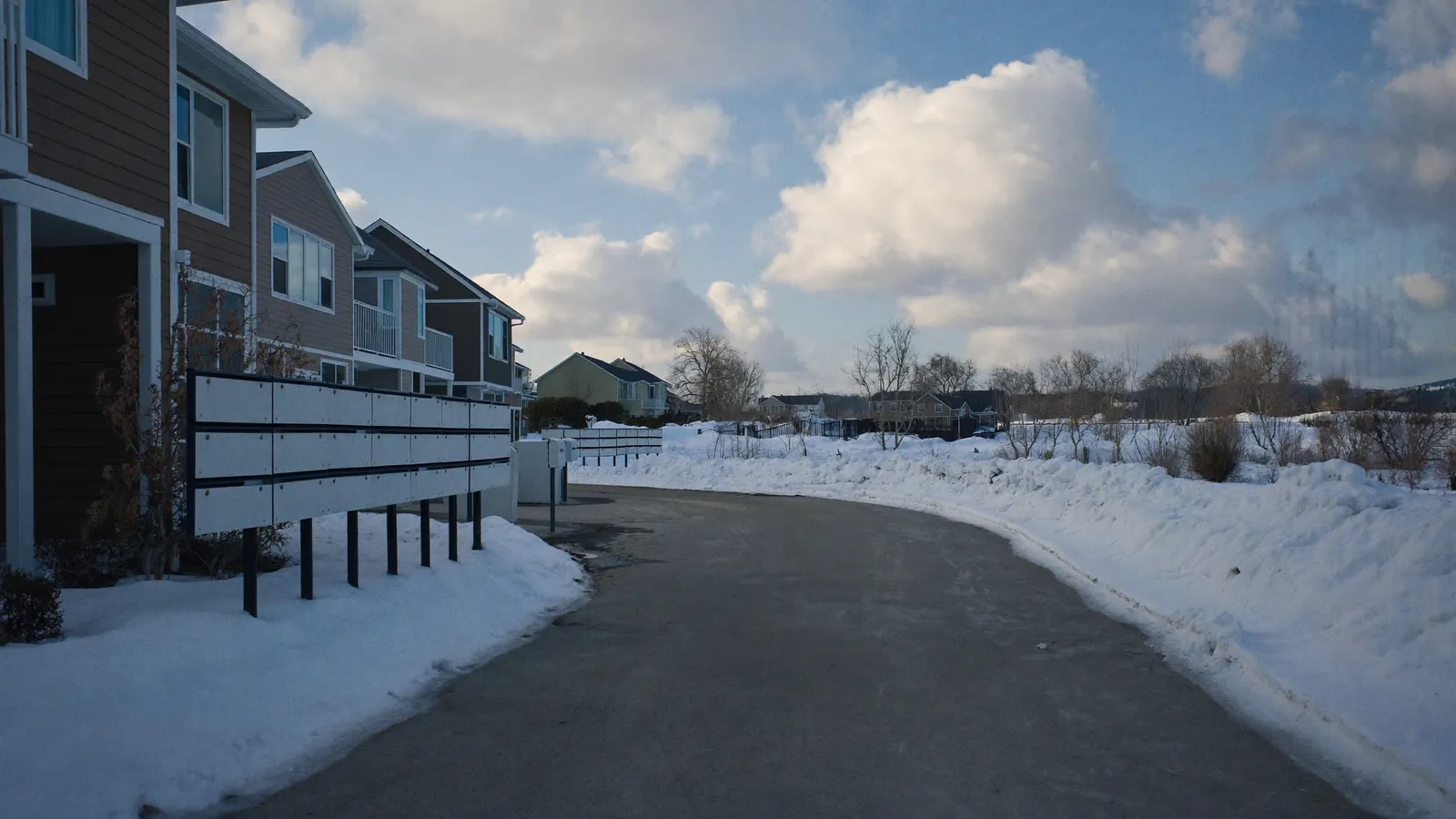
- Roads and loop drives. Include cul-de-sacs, dead ends and any private streets.
- Shared drives and parking courts. These often serve several homes or units and may have tight turning room.
- Common walks and entrances. Plowing a road does not clear a walk. CPM lists sidewalk clearing as its own service.
- Mailbox areas, amenity lots and clubhouse lots. Two contractors can quote the same community and mean different things if one counts the clubhouse lot and the other does not.
- Areas someone else maintains. If a stretch of road, a walk or a lot belongs to a different party, mark it so the contractor does not guess.
A map with every area labeled can help the board and contractor clarify the scope before the first storm.
How do access, parked cars and gates fit into a plowing visit?
Residents' cars and gated entrances change how a plow route works, so decide the rules before the season. Ask each contractor how it handles cars left on streets or in shared lots, and what it expects from the association. Decide who tells residents to move vehicles, and how early.
If your community has a gate, an entry code or a shared entrance, tell bidders on the site walk. Put access instructions in writing, and name one person who can open a gate or answer a question when a crew arrives.
Where will the snow go?
In a community, piles can block sight lines at corners and entrances. CPM's Fairport and Perinton page says HOA roads and shared drives are cleared on schedule and piled where they will not block sight lines. Ask each contractor where piles will go on your streets, and what happens when there is nowhere left to push. CPM lists snow hauling for those cases; read about snowfall clearing and hauling.
How should residents and managers reach the contractor?
Pick one contact path before the first storm. A board that fields calls from many residents will want one person or number that reaches the contractor, and a short message for residents about where to report a problem. Ask how the contractor takes calls during a storm and who answers them. Answers about arrival times are not promises, so ask for any commitments in writing.
How is ice handled on common walks and entrances?
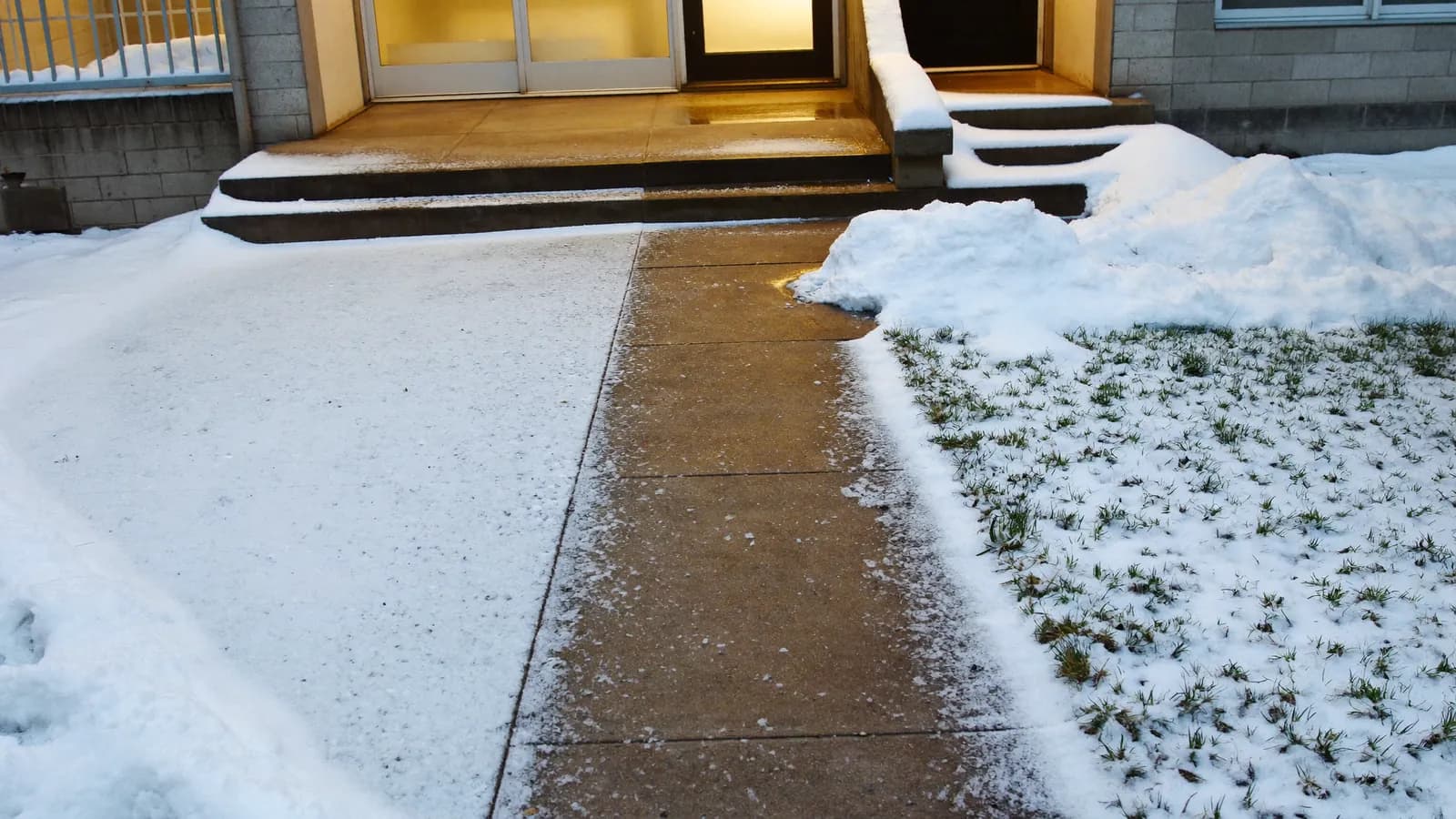
Plowing leaves a surface that can still be slick, so ask which areas get ice treatment and with what. CPM's Penfield page says it uses pre-wetted salt and liquid de-icing for lots and walks, and that it keeps salt and calcium chloride on hand. For more on de-icing, read our guide to commercial de-icing services in Rochester.
What should the plan say about a big storm?
Ask for the storm plan in writing. CPM's snow management services page describes contingency and emergency plans for blizzards and other large, long-lasting storms that drop 8 inches or more at one time. CPM's Fairport and Perinton page adds that every commercial site gets a written plan before the season and that crews are positioned ahead of storms. For your own contract, ask what the plan says about long storms: how often crews return, and which areas come first.
How do CPM's local pages describe HOA and townhome work?
They give two examples, and neither one speaks for your property. CPM's Fairport and Perinton page lists HOA roads, private drives and townhome communities. Its Penfield page lists townhome and condo communities among the properties on its route. Its snow plowing page names a service area of Monroe and Wayne counties.
These pages show the kind of work CPM lists in those areas. They do not say what CPM does in every neighborhood, so ask about your property's location and layout. Describe your trouble spots, such as hills, shared mailboxes and areas with steady foot traffic, and ask how the plan handles each one.
When should the board choose a contractor?
Choose before the first big storm. Bids, a walk-through and a board vote take time, and a late start means decisions made in a hurry. If you are re-bidding an existing contract, ask for the plan in writing well before the season so the board can compare it with what you have.
Frequently Asked Questions
What does HOA snow removal include?
It depends on your association. Check your governing documents and your contract, and put the areas you want cleared on a site map for bidders.
Does CPM Property Services plow HOA communities?
CPM's Fairport and Perinton page lists HOA roads, private drives and townhome communities, and its Penfield page lists townhome and condo communities. Its snow plowing page describes a service area of Monroe and Wayne counties. Ask about your property's location when you request an estimate.
How should the board compare bids?
Give every bidder the same site map, the same list of areas and the same questions on access, piling, ice treatment, storm plans and contacts. Then compare the written answers, not just the totals.
Is ice treatment part of snow plowing?
Not automatically. Plowing and de-icing are separate jobs, so ask for both to be named in the contract.
How do we ask for an HOA snow estimate?
Use the quote page, or call the office for your county. A walk-through lets CPM write a plan for your community.
Get your association's snow plan in place before the first storm
Tell CPM about your community's roads, drives and walks. You will get a free, no-pressure estimate for Monroe and Wayne counties.
Request a Free Estimate · Monroe County: (585) 621-8488 · Wayne County: (315) 904-4700
Sources
- CPM Property Services, Snow Management Services, Snow Plowing, Fairport & Perinton and Penfield service area pages, read October 30, 2026.
Related posts
CPM Property Services Team
Landscaping & snow management pros serving Monroe & Wayne county, NY.